READING WITH JEAN-LUC GODARD

Written for MUBI, who published it in January 2024.

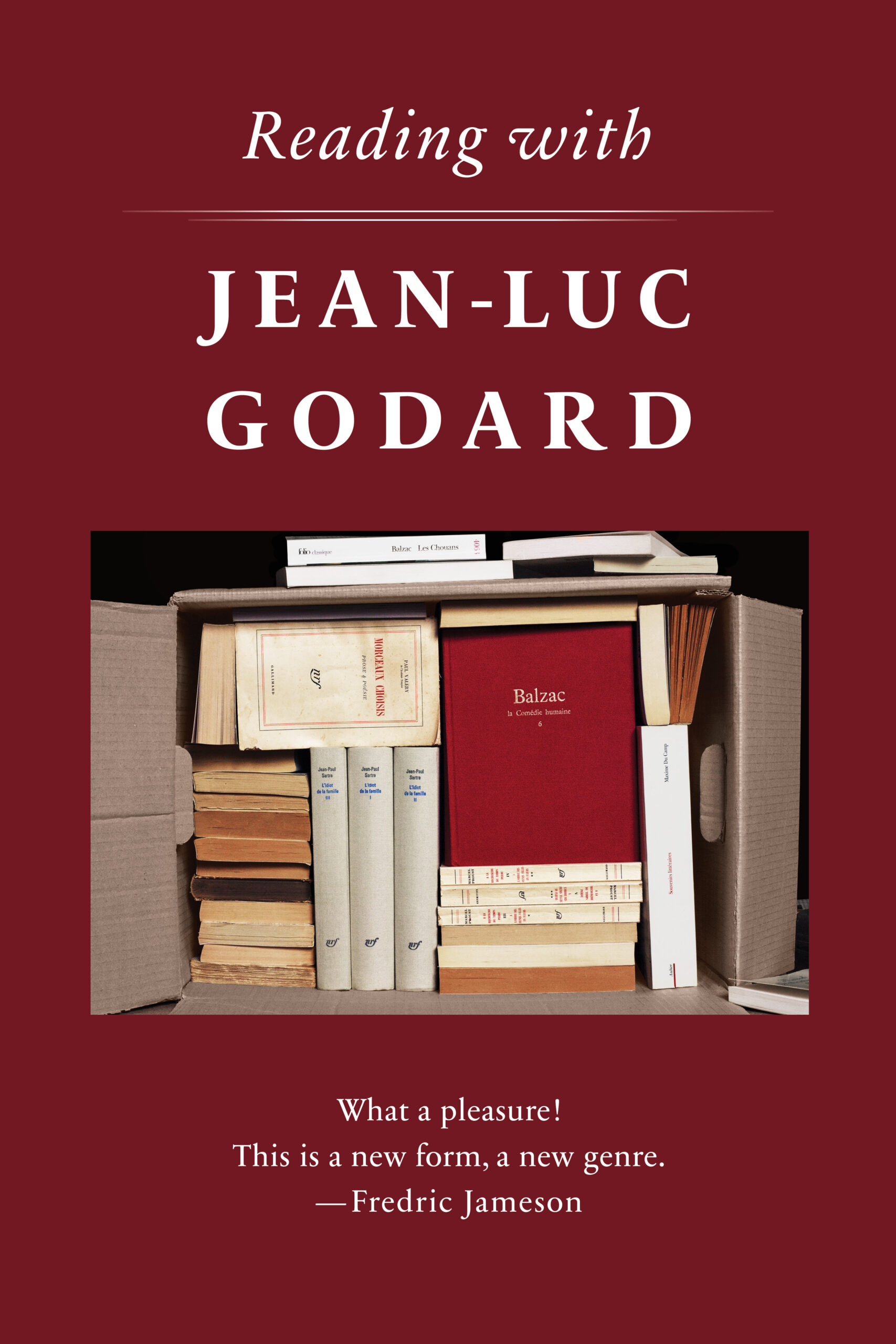
According to the literary scholar Fredric Jameson, who contributes an enthusiastic preface and afterword, Reading with Jean-Luc Godard — a compendium of 109 three-page essays by 49 writers from a dozen countries — launches “a new form” and “a new genre”. It can be described as a user-friendly volume designed to occupy the same space between academia and journalism staked out by MUBI while proposing routes into Godard’s work provided by his eclectic reading — a batch of writers ranged alphabetically and intellectually from Louis Aragon, Robert Ardrey, Hannah Arendt, and Honoré de Balzac to François Truffaut, Paul Valéry, A.E. Van Vogt, and Virginia Woolf. (Full disclosure: I contributed one of the two pieces on Truffaut, devoted to how his best piece of Alfred Hitchcock criticism helped to shape Godard’s and why Truffaut omitted that major text from his own books.) Some authors, such as Marguerite Duras, Martin Heidegger, and Edgar Allan Poe, get more than one entry, and coeditor Timothy Barnard wrote all four of those devoted to André Malraux. Indeed, he and coeditor Kevin J. Hayes are responsible for almost half of the entries.

One of the book’s fringe benefits is canonical, offering a list of writers that includes many obscure names worthy of discovery. Read more

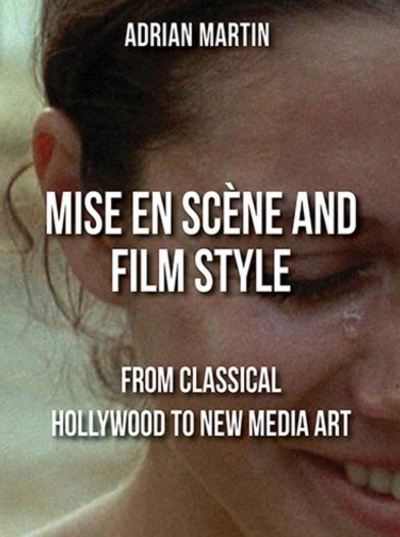
Recommended Reading: Adrian Martin’s MISE EN SCÈNE AND FILM STYLE: FROM CLASSICAL HOLLYWOOD TO NEW MEDIA ART

MisenScene&FilmStyle

It’s a genuine pity that this remarkable new book — a kind of summation and extension of Adrian Martin’s work in film analysis and the history of film criticism in Australia, France, Spain, the U.K., and the U.S. over the past two decades — is commercially available only at the whopping price of $80.75 on Amazon — or $76, if you’re willing to settle for a Kindle edition. As a longtime friend, colleague, and collaborator of Martin’s, I was fortunate enough to receive a free inscribed copy, but most of the rest of you will have to either shell out a fortune or wait for a softcover edition. All I can do now, really, having received this book only yesterday, is signal just a few of its many riches. Girish Shambu, Adrian’s irreplaceable coeditor at LOLA, has already posted a helpful summary of the book’s “four [interests] that animate the work” on his web site, so the most I can hope to do here is cite just a few treasured and brilliant passages that already have either sent me back to the films and texts being discussed or extended my current (re)reading and (re)viewing lists:

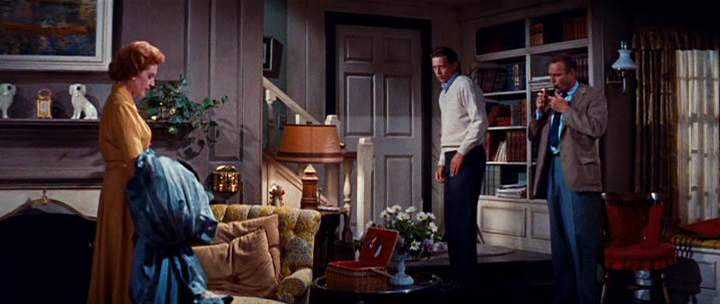
teaandsympathyG. Cabrera Infante writing in 1957 about Tea and Sympathy (Vincente Minnelli, 1956), pp, 6-7. Read more

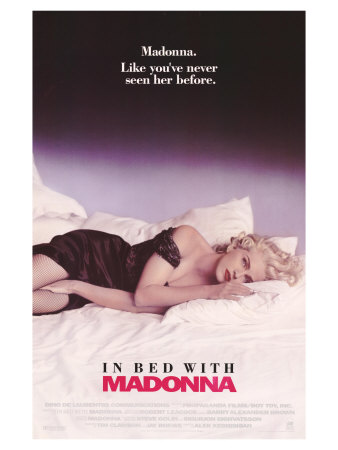
High Attitude [TRUTH OR DARE & DICE RULES]

From the Chicago Reader (May 24, 1991). What prompted me to repost my thoughts about Andrew Dice Clay in 2017 was, oddly enough, the Summer issue of the French quarterly magazine Trafic, which arrived in yesterday’s mail and where the lead article, about our Madman-in-Chief, cites J. Hoberman’s excellent analysis of Trump, which alludes pertinently to Clay. — J.R.

TRUTH OR DARE

*** (A must-see)

Directed by Alek Keshishian

With Madonna.

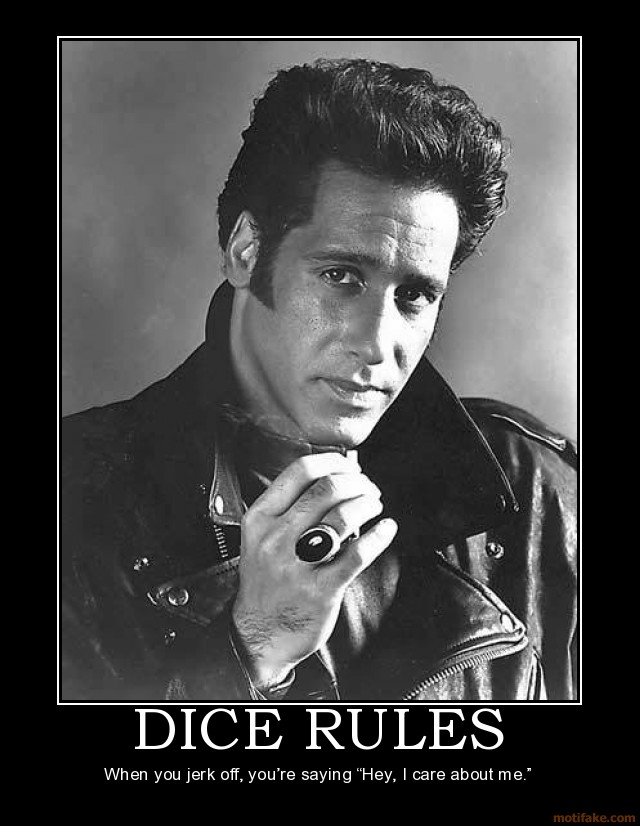
DICE RULES

* (Has redeeming facet)

Directed by Jay Dubin

Written by Andrew Dice Clay and Lenny Shulman

With Andrew Dice Clay.

“I know I’m not the best singer or the best dancer. I’m interested in pushing other people’s buttons.”

— Madonna in Truth or Dare

“I have no tolerance for anyone or anybody.”

— Andrew Dice Clay in Dice Rules

Madonna’s Truth or Dare and Andrew Dice Clay’s Dice Rules are performance films about sex and defying taboos that are clearly conceived as statements from and about their stars. The movies are radically different, but they have a few things in common: an adolescent sense of outrage spurred by adolescent fans and energies, a postmodernist reliance on movie-star models, a preoccupation with narcissism and masturbation, and a painstaking effort on the part of their stars to “explain” themselves. Read more

A Master Index To This Site (as of October 1, 2012)

Trevor Vartanoff, one of the frequenters of this web site, has just come up with an invaluable gift to me and to others — an alphabetical master index of all (or almost all) the postings here, complete with links. .#.(2024): Ooops. Here’s the correct link to the other link: https://jonathanrosenbaum.net/2023/09/a-master-index-to-this-site-with-links-as-of-october-1-2012/ 

***

Featured Texts:

*Corpus Callosum

*CORPUS CALLOSUM

12 Monkeys

12 and Holding

15th Annual Festival of Illinois Film and Video

2 Oxford Companion Entries (Albert Brooks and découpage)

2 or 3 Things I Know About Her

2001: A Space Odyssey

2046

20th International Tournee of Animation

29th Chicago International Film Festival: Mired in the Present

4 Little Girls

4

60s Wisdom

7 Women

8 1/2

8 Mile

84 Charlie Mopic

9 1/2 Weeks with Van Gogh

A Bankable Feast [BABETTE’S FEAST]

A Beauty and a Beast

A Bluffer’s Guide to Bela Tarr

A Breakthrough And A Throwback

A Brief History of Time

A Brighter Summer Day

A Bronx Tale

A Christmas Commodity: SCROOGED

A Cinema of Uncertainty

A Constant Forge

A Couple of Kooks [MY BEST FIEND]

A Cut Above [HENRY: PORTRAIT OF A SERIAL KILLER]

A Depth in the Family [A HISTORY OF VIOLENCE]

A Dialogue about Abbas Kiarostami’s SHIRIN

A Different Kind of Swinger [GEORGE OF THE JUNGLE]

A Different Kind of Thrill (Richet’s ASSAULT ON PRECINCT 13)

A Dry White Season

A Family Thing

A Far Off Place

A Few Eruptions in the House of Lava

A Few Things Well [A LITTLE STIFF]

A Film of the Future

A Fish Called Wanda

A Force Unto Himself [on Hou Hsiao-hsien]

A Great Day in Harlem

A History of Violence

A Home of Our Own

À la recherche de Luc Moullet: 25 Propositions

A Little Transcendence Goes a Long Way

A Lucky Day

A Major Talent [on SWEETIE]

A Man Escaped

A Midnight Clear

A Moment of Innocence

A New Leaf

A Nightmare on Elm Street 4: The Dream Master

A Page of Madness

A Perfect World

A Perversion of the Past

A Place Called Chiapas

A Place in the Pantheon: Films by Bela Tarr

A Place in the World

A Price Above Rubies

A Prophet in His Own Country [Jon Jost retrospective]

A Quirky Cowboy Classic [on THE THREE BURIALS OF MELQUIADES ESTRADA]

A Radical Idea [HALF NELSON & THIS FILM IS NOT YET RATED]

A Road Not Taken (The Films of Harun Farocki)

A Room With No View [ORPHANS]

A Russian in Hollywood [SHY PEOPLE]

A Scanner Darkly

A Short Film About Killing and A Short Film About Love

A Single Girl

A Soldier’s Daughter Never Cries

A Stylist Hits His Stride (ETERNAL SUNSHINE OF THE SPOTLESS MIND)

A Tale of Love

A Tale of Winter

A Tale of the Wind

A Tale of the Wind

A Thousand Words

A Time of Love

A Time to Lie (CROSS MY HEART)

A Time to Live and a Time to Die

A Touch of Class [GOSFORD PARK]

A Woman’s Tale

A World Apart

A Year at the Movies

A Zed and Two Noughts

A.I. Read more

Film Writing Degree Zero: The Marketplace and the University

From the Autumn 1977  Sight and Sound. — J.R.

Perhaps it is time to study discourse not only according to its expressive values, or in its formal transformations, but also according to its modes of existence: the modes of circulation, attribution and appropriation of discourse vary with each culture. . . . [T]he effect on social relationships can be more directly seen, it seems to me, in the interplay of authorship and its modifications than in the themes or concepts contained in the works.
— Michel Foucault, “What Is an Author?”

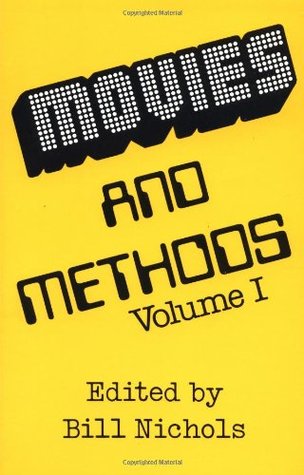
Movies and Methods

It seems likely that Hollywood Directors 1914–1940 and Movies and Methods[*] are the two most interesting anthologies of writing about film recently published in English. Each marks a substantial foray beyond the standard recycling operations of most anthologies, making available a wealth of helpful material that is otherwise hard to come by. An easy enough assessment, on the face of it, yet one that conceals a nagging question: what do we mean by “interesting” and “helpful”? In what way can both books be considered deserving of the same ambiguous adjectives? How far do they allow themselves to be considered within the same universe of discourse?

First, a few basic distinctions. Read more
Trying To Catch Up With Raúl Ruiz: A Conversation with Jonathan Rosenbaum

This appeared Cinema Scope no. 11 (summer 2002).Thanks to Francois Thomas in helping me clean up my German and French. — J.R.

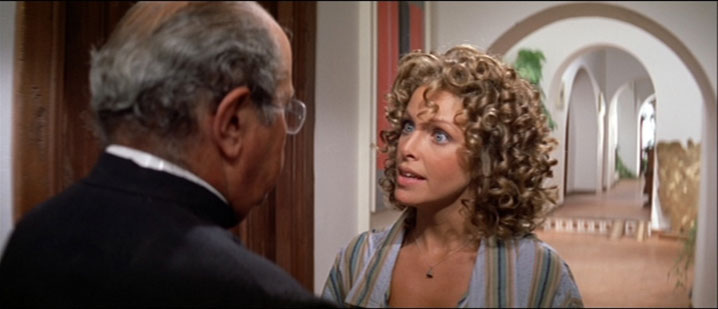
“You can’t smell email,” Raúl Ruiz insisted to me the night before we had this interview at the 2002 Rotterdam Film Festival, explaining to me why he didn’t have any truck with the Internet. He added that lately he’s been collecting various first editions, excommunications, and death sentences, many of them from the 19th century and earlier, and he can smell all of them.

At first I was surprised by this old-fashioned form of resistance, but then the more I thought about it, the more I realized that Raúl is basically a 19th century figure. His largely Borgesian canon of 19th and early 20th century English and American writers (Chesterton, Stevenson, Wells, Harte, Hawthorne, Melville, et al) and his taste for rambling narratives and tales within tales smacks of a Victorian temperament.

I first encountered Ruiz’s work during my first trip to the Rotterdam Film Festival, in 1983, and it was there where we first became friends three years later —- as well as where we had this interview on January 26, in the lobby of the hotel where we were both staying. Read more
The Limits of Memory [THE BLONDS & ROSENSTRASSE]

From the Chicago Reader (August 27, 2004). — J.R.

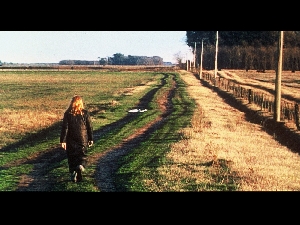
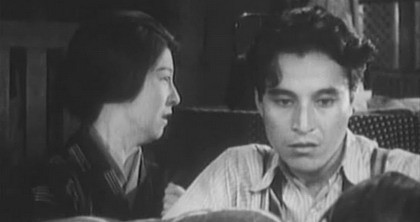
The Blonds

*** (A must-see)

Directed and written by Albertina Carri

With Analia Couceyro.

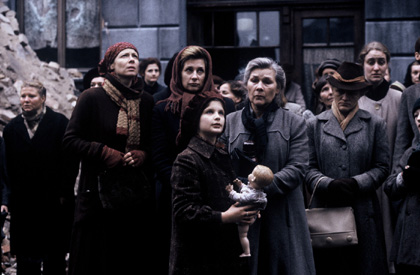
Rosenstrasse

* (Has redeeming facet)

Directed by Margarethe von Trotta

Written by Pamela Katz and von Trotta

With Katja Riemann, Maria Schrader, Martin Feifel, Jurgen Vogel, Jutta Lampe, Doris Schade, and Fedja van Huet.

It was a severe disappointment, Beyle [Stendhal] writes, when some years ago, looking through old papers, he came across an engraving entitled Prospetto d’Ivrea and was obliged to concede that his recollected picture of the town in the evening sun was nothing but a copy of that very engraving. This being so, Beyle’s advice is not to purchase engravings of fine views and prospects seen on one’s travels, since before very long they will displace our memories completely, indeed one might say they destroy them. — W.G. Sebald, Vertigo

I don’t know if some memories are real or if they’re my sisters’. –Albertina Carri in The Blonds

When I was in junior high school in the 50s I associated Stanley Kramer’s name — first as a producer, then as a producer-director — with offbeat, somewhat worthy highbrow ventures such as Cyrano de Bergerac, Death of a Salesman, High Noon, The 5,000 Fingers of Dr. Read more

Film Writing on the Web: Some Personal Reflections

From Film Quarterly, March 2007, vol. 60, no. 3; reprinted in Goodbye Cinema, Hello Cinephilia. Obviously some of this is out of date by now. — J.R.

There’s a part of me that understands perfectly why a
minimalist like Jim Jarmusch and a 19th century figure like
Raul Ruiz won’t have anything to do with email. “You can’t
smell email,” Ruiz once said to me, to explain part of the
reason for his distaste. But I find it tougher to feel
nostalgic about film criticism before the Internet, because
even though you could smell it, the choices of what you
could lay your hands on outside a few well-stocked
university libraries were fairly limited. Similarly, the
choices of what films you could see outside a few cities
like New York and Paris before DVDs was pretty narrow, and
possibly even more haphazard than what you could read about
them.

These two developments shouldn’t be considered in
isolation from one another. The growth of film writing on
the web —- by which I mean stand-alone sites, print-magazine
sites, chatgroups, and blogs —- has proceeded in tandem with
other communal links involving film culture that to my mind
are far more important than the decline in the theatrical
distribution of art films and independent films, so I’ll be
periodically discussing those links here. Read more
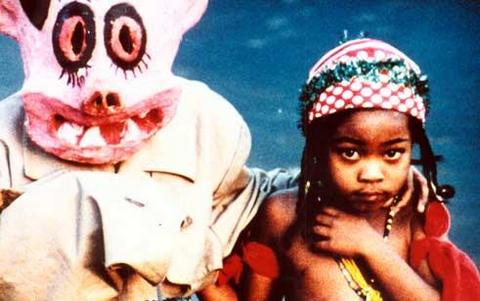
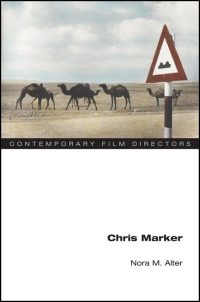
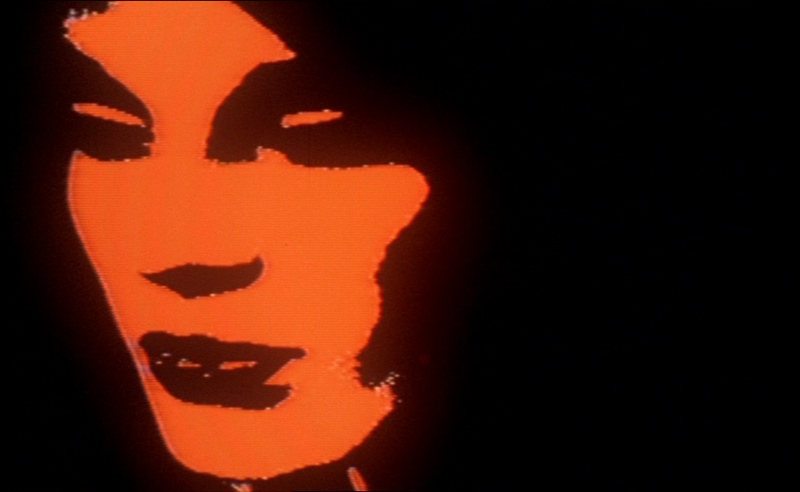
The Guarded Intimacy of SANS SOLEIL

The following essay was commissioned by Michael Koresky at the Criterion Collection for their 2007 DVD release of Chris Marker’s Sans soleil (which they brought out with La jetée), although they eventually decided not to include it in their booklet. They made it available on their web site for a spell until an infection obliged them to remove all their essays, but Koresky has informed me that these are being reposted now that their new web site is being launched. I’m reprinting it here, in any case, with their permission. I should add that it recycles some material from my essay “On Second Thoughts,” about The Last Bolshevik, reprinted at the end of my 1997 collection Movies as Politics. — J.R.


The Guarded Intimacy of Sans soleil

by Jonathan Rosenbaum


“The Sorbonne should be razed and Chris Marker put in its place.” —-Henri Michaux


“Contrary to what people say, using the first person in films tends to be a sign of humility: `All I have to offer is myself.’”—Chris Marker


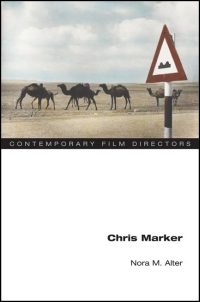
Even though few film essayists are more mythological than Chris Marker, it might help to clarify some matters if a couple of the more persistent myths surrounding his legend were undermined a little. Read more
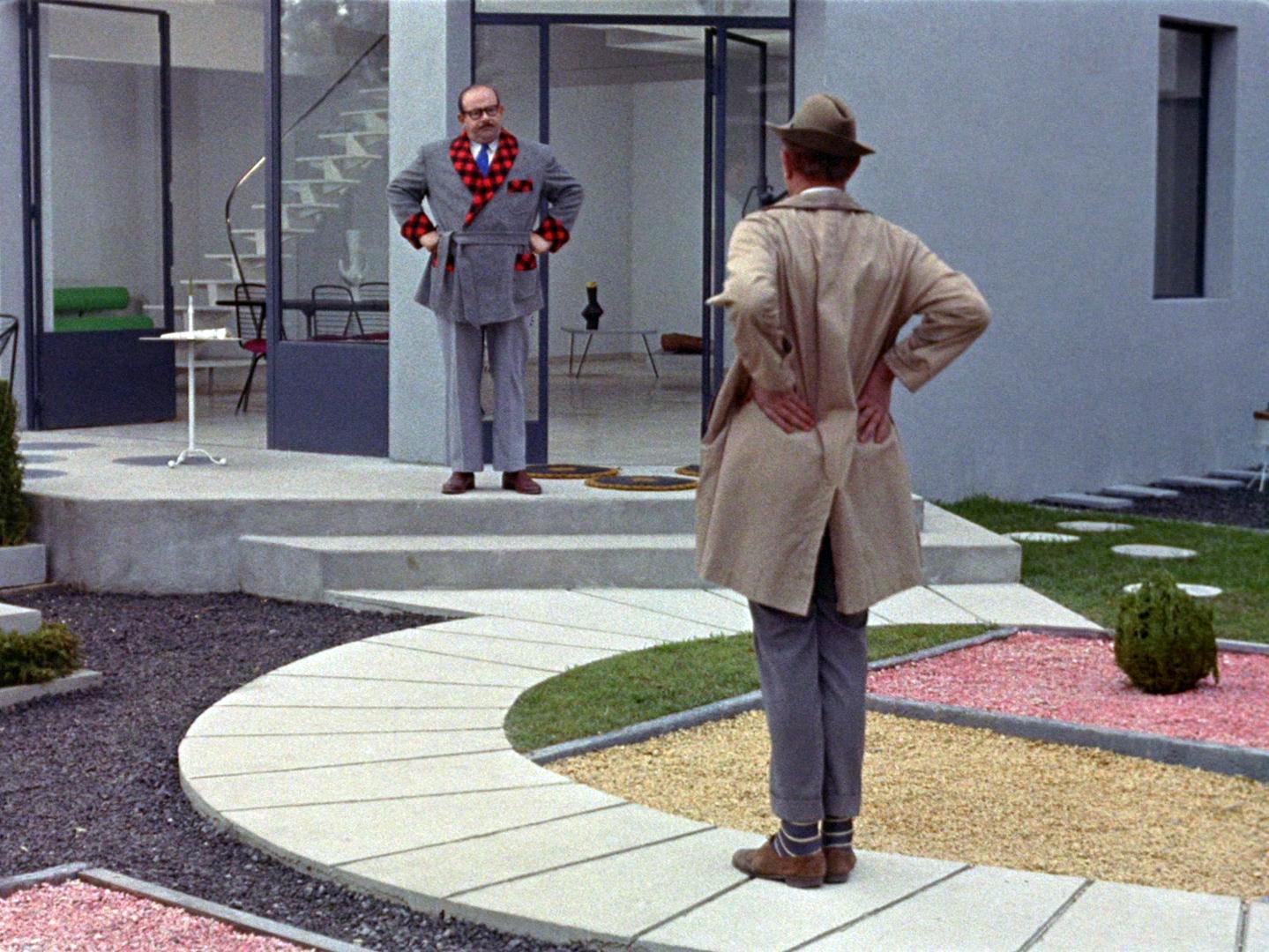
MON ONCLE

Written in 2013 for a 2019 Taschen publication. — J.R.

mononcle-arpel&Hulot

mon-oncle2

Mon Oncle

1. Preparations and Preludes

A lot of thoughts and deliberations preceded each of Tati’s half-dozen features, which is one of the reasons why a fairly long stretch of time would elapse between any two of them. The longest of these stretches occurred between the release of Les Vacances de M. Hulot in March 1953 and the first day of shooting on Mon Oncle in July 1956, but his thoughts and deliberations about his next feature occupied only part of his time. During those same three years, Tati also had a good many personal matters to attend to. There was his newfound celebrity, which led to a great deal of foreign travel, many offers of various kinds, and several contacts with young people who wanted to work for him: among those he hired during this period were the future writer-director-star Pierre Etaix, who joined his staff and eventually became one of the two assistant directors on Mon Oncle (and also played a cameo in which he imitates the sound of a chicken); the future screenwriter Jean-Claude Carrière, whose first serious job was writing the commissioned novelization of Les Vacances (and who would later write a novelization of Mon Oncle  for Tati as well); and a young writer whose first novel impressed Tati, Jean L’Hôte, whom Tati engaged to collaborate with him and Jean Lagrange on the screenplay for Mon Oncle. Read more
A Short Note on Béla Tarr

Written for a Persian collection about Béla Tarr, published in May 2016. — J.R.

Damnation

My first encounter with the work of Béla Tarr was Damnation (1987), seen in 1989, followed soon afterwards by Almanac of Fall (1984), but the point at which I became an acolyte rather than a mere fan was Sátántangó (1994), which remains for me the towering pinnacle of his work.  Other favorites include The Turin Horse (2011) and his nearly impossible-to-see short film The Last Boat (1989), but I know plenty of other viewers who were first won over by Werckmeister Harmonies (2000), and another good starting point might be Tarr’s 1982 production of Macbeth (1982), made for Hungarian television in only two shots.


Most of his films qualify as black comedies filmed in black and white, spiritual without being religious and peopled most often by grubby and not especially honorable individuals who are followed with lengthy takes and elaborately choreographed camera movements that implicate the viewer in their activities and thwarted destinies. Starting with Damnation, they are mostly written by the great Hungarian novelist László Krasznahorkai, whose endless and labyrinthine sentences in his novels are as relentless and as passionately serene as Tarr’s camera movements. Read more

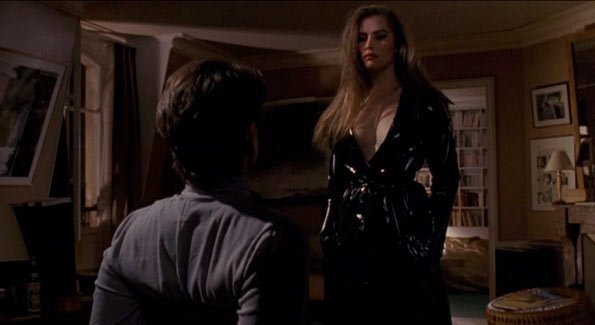
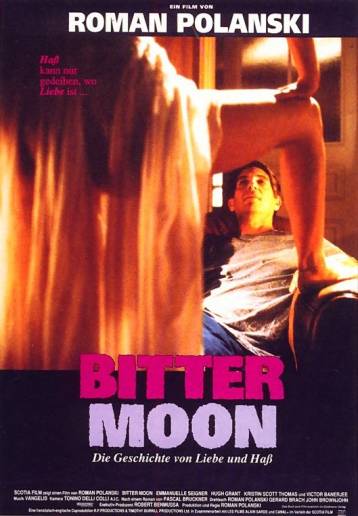
Sex Games (on Polanski’s BITTER MOON)

From the April 8, 1994 issue of the Chicago Reader. When I reprinted this article in my 1997 collection Movies as Politics, I gave it a different title: “Polanski and the American Experiment”. 

For me, The Ghost Writer is Polanski’s best film since Bitter Moon, and  his most masterful, although his subsequent Venus in Fur and Based on a True Story, both more subdued and subtler, are more interesting, especially as thoughtful autocritiques. — J.R.

**** BITTER MOON

Directed by Roman Polanski

Written by Polanski, Gerard Brach, John Brownjohn, and Jeff Gross

With Peter Coyote, Emmanuelle Seigner, Hugh Grant, Kristin Scott-Thomas, Victor Bannerjee, Sophie Patel, and Stockard Channing.

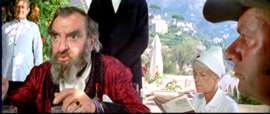
Fairly late in What? (1973), Roman Polanski’s least seen and least critically approved feature — an absurdist, misogynist, yet oddly affectionate ‘Scope comedy filmed in the seaside villa of its producer, Carlo Ponti — the bimbo American heroine (Sydne Rome), an Alice set loose in a decadent wonderland belonging to a dying millionaire named Noblart, wanders for the second time into a living room where she encounters a middle-aged Englishman. Once again this Noblart employee bemoans his arthritis, cracks his knuckles, then sits down at a piano to play the treble part of a Mozart sonata for four hands. Read more

On Ozu

This is the first thing I ever wrote about Ozu’s films. I’ve subsequently come to value Hen in the Wind much more than I did in 1972, above all as an expression of Japanese’s humiliation after the end of the war and during the American occupation. — J.R.

From Paris Journal, Film Comment, Summer 1972 (excerpt):

A recent screening of eight Ozu films at the Cinémathèque was, for Paris, an event of some importance. To date, not a single film by Ozu has received distribution in France, and local ignorance about his work extends to such places as Cahiers du Cinéma and Positif, which in their combined 368 issues have failed to publish a single article about him.

A particular revelation was WIFE FOR A NIGHT, which contradicted at least half of the received ideas that have been circulating about Ozu elsewhere. One of the ten silent films that he made in 1930, this remarkable American-style thriller begins and ends mainly in exteriors: a desperate robbery and escape at night, the criminal being led away at dawn. Virtually all of the intervening action is contained in the robber’s one-room flat, where he, his ailing daughter, his wife, and a policeman stand nervous vigil over one another for the night’s duration. Read more

Review of LETTERS FROM HOLLYWOOD

Written for Cineaste (I forget which issue).

Letters from Hollywood:

1977-2017

by Bill Krohn. Albany: State University of New York Press, 2020. 312 pp., illus. Hardcover: $95.00.

Long overdue, this impressive if pricey collection by the long-standing —indeed, longest-standing — American correspondent for Cahiers du cinéma is eclectically divided into four sections. After an Introduction consisting of a new five-page memoir (“How I Became the Los Angeles Correspondent for Cahiers du cinema”), a fascinating 25-page interview with Serge Daney (then the magazine’s editor) from 1977, entitled “The Tinkerers”, and a brief 1992 obituary for Daney, one encounters “Directors Who Started in Silents” (ten essays), “Directors Who Started in Talkies” (seven essays), “Directors Who Started in Television” (seven essays), and “Directors Who Counterattacked” (ten essays). 

These classifications can’t do justice to all that the book has to offer: even if one can puzzle out what Krohn means by “counterattack,” the first “director” he treats who “started in television” is Lucille Ball, justly celebrated for I Love Lucy rather than as a director, and someone whose career as a performer, as Krohn shows, actually began in theater, movies, and radio. But they do point up how original Krohn’s way of positioning himself often turns out to be. Read more